- Your cart is empty
- Continue Shopping
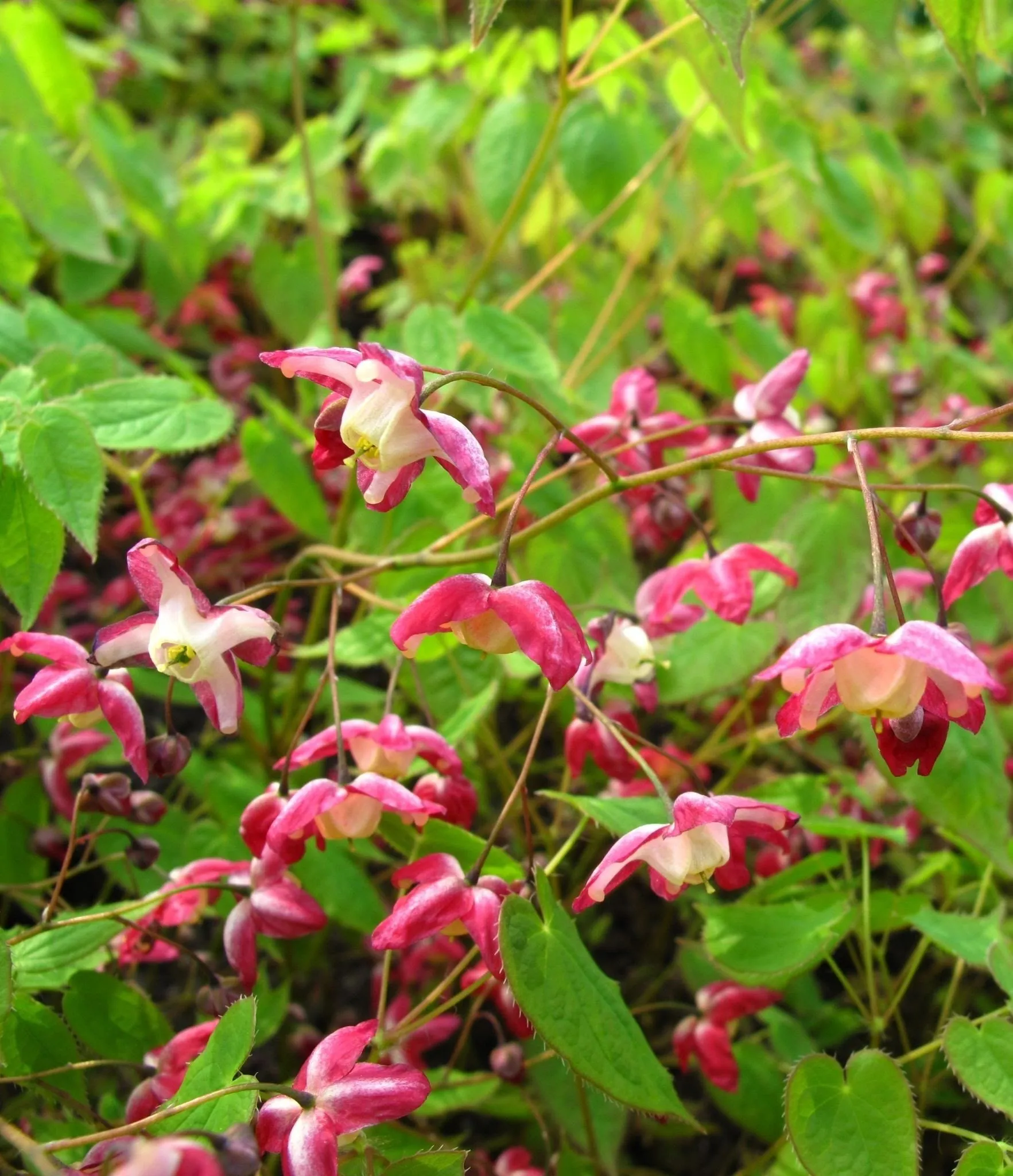
Horny goat weed, known botanically as Epimedium, is a genus of flowering plants comprising over sixty species native to Asia, particularly China, Japan, and Korea. The most commonly used species in supplements is Epimedium sagittatum, though Epimedium brevicornum, Epimedium koreanum, and others are also utilized. The plant has been a staple of traditional Chinese medicine for over two thousand years, where it is known as yin yang huo, a name referencing its traditional use for supporting male and female vitality.
The bioactive constituents responsible for horny goat weed’s effects are primarily flavonoid compounds called icariins, with icariin being the most extensively studied. These prenylated flavonoids are unique to the Epimedium genus and appear to underlie the herb’s physiological effects. Standardized extracts typically quantify icariin content, with high-quality products containing 10-60% icariin depending on the extraction and concentration process.
Traditional Chinese medicine practitioners used horny goat weed not only for reproductive health but also for joint comfort, fatigue, and memory support. The herb was often prescribed in combination with other botanicals in complex formulations designed to restore balance to the body’s systems. Modern supplement applications have focused more specifically on the plant’s potential for supporting male sexual function and vitality.
The plant itself is a hardy perennial that produces heart-shaped leaves and delicate flowers in shades of white, yellow, pink, or purple. The leaves are harvested at peak potency, dried, and processed into various extract forms. The characteristic name “horny goat weed” is said to derive from observations of goats that became more active after consuming the plant in the wild, though the historical accuracy of this origin story is uncertain.
Discover more traditional herbs with modern research backing in our comprehensive Ingredient Glossary.
Horny goat weed has gained considerable popularity in men’s health supplements for its potential role in supporting erectile function, libido, and overall sexual wellness. Research into icariin has revealed several mechanisms that may underlie these traditional applications.
PDE5 Inhibition: A study published in the Journal of Sexual Medicine demonstrated that icariin exhibits phosphodiesterase type 5 (PDE5) inhibitory activity. PDE5 is the enzyme responsible for breaking down cyclic guanosine monophosphate (cGMP) which is a signaling molecule that promotes blood vessel relaxation and increased blood flow to erectile tissue. By inhibiting PDE5, icariin may support the natural physiological processes involved in erectile function. This mechanism is similar to that of pharmaceutical PDE5 inhibitors, though icariin’s activity is milder and more selective.
Nitric Oxide Synthesis: Beyond PDE5 inhibition, icariin appears to support nitric oxide synthesis. Nitric oxide is a critical signaling molecule for vascular relaxation and blood flow. Research indicates that icariin may enhance the activity of endothelial nitric oxide synthase, the enzyme responsible for producing nitric oxide in blood vessel linings. This dual action on both nitric oxide production and cGMP preservation creates a comprehensive approach to supporting vascular function relevant to male performance.
Testosterone Support: Icariin also appears to influence testosterone levels through effects on the hypothalamic-pituitary-gonadal axis. Animal studies have shown that icariin administration increases serum testosterone and supports Leydig cell function. While human clinical data in this area is more limited, the preclinical evidence suggests potential hormonal benefits that complement the vascular effects.
Libido and Neurochemical Effects For libido support, horny goat weed may influence neurotransmitter systems involved in sexual motivation and reward. Research indicates that icariin affects dopaminergic pathways in the brain, which are central to motivation, pleasure, and sexual behavior. This neurochemical modulation may contribute to the herb’s traditional reputation as an aphrodisiac.
While male vitality represents horny goat weed’s primary application, research has explored other potential benefits:
Bone and Mineral Density: Preclinical studies suggest that icariin may support bone formation and inhibit bone resorption, potentially through its effects on osteoblast and osteoclast activity. This application is less established but represents an area of active investigation.
Joint Health and Mobility: Traditional Chinese medicine used horny goat weed for joint comfort, and modern research has explored its anti-inflammatory properties. Icariin appears to modulate inflammatory cytokine production, which may support joint tissue health.
Cognitive Function: Some research indicates that icariin may have neuroprotective properties, potentially supporting cognitive function through antioxidant mechanisms and modulation of neural signaling pathways.
Cardiovascular Health: The nitric oxide-supporting and PDE5-inhibitory effects of icariin may have broader cardiovascular implications, supporting healthy blood flow and vascular function beyond the specific context of male performance.
Horny goat weed supplements typically provide 500–1,000 mg of standardized extract daily, with icariin content varying widely depending on product quality. Higher icariin concentrations (40–60%) are available in more concentrated extracts and may offer enhanced activity at lower doses.
The herb is frequently combined with other male vitality ingredients such as Tongkat Ali, Maca Root, and L-Arginine. These combinations address multiple aspects of sexual function i.e from hormonal support to vascular health to energy and stamina. Horny goat weed is also found in some joint health and general vitality formulations where its broader traditional applications are leveraged.
Quality Note: The market includes products with variable icariin content and potential adulteration. Consumers should seek products from reputable manufacturers that provide third-party testing and clear standardization information.
Horny goat weed is generally well-tolerated at recommended doses. Mild side effects may include:
Key interactions and cautions:
| Condition / Medication | Concern |
|---|---|
| Nitrate medications | Risk of dangerous blood pressure drop; avoid combination |
| PDE5 inhibitor drugs | Additive effects; avoid combination |
| Antihypertensive medications | May compound blood pressure lowering |
| Hypotension | Herb may further lower blood pressure |
| Hormone-sensitive conditions | Possible estrogenic activity at high doses; consult a provider |
Long-term safety data beyond several months of use is limited, suggesting periodic evaluation with a healthcare provider is advisable.
Individuals exploring horny goat weed may also consider the following:
| Ingredient | Mechanism |
|---|---|
| Tongkat Ali | Supports testosterone production through hypothalamic-pituitary-gonadal axis modulation and cortisol reduction |
| Maca Root | Adaptogenic herb supporting libido and energy through mechanisms distinct from direct hormonal action |
| L-Arginine | Direct precursor to nitric oxide synthesis, supporting the same vascular relaxation pathways as horny goat weed |
| Fenugreek Extract | Enzyme inhibition effects that help maintain free testosterone levels |
Dell’Agli, M., Galli, G. V., Dal Cero, E., Belluti, F., Matera, R., Zironi, E., … & Bosisio, E. (2008). Potent inhibition of human phosphodiesterase-5 by icariin derivatives. Journal of Natural Products, 71(9), 1513–1517. https://doi.org/10.1021/np800049y
Xu, H. B., & Huang, Z. Q. (2007). Icariin enhances endothelial nitric-oxide synthase expression on human endothelial cells in vitro. Vascular Pharmacology, 47(1), 18–24. https://doi.org/10.1016/j.vph.2007.03.002
Pan, Y., Kong, L., Xia, L., Zhang, W., Xia, Y., & Jiang, F. (2005). Antidepressant-like effect of icariin and its possible mechanism in mice. Pharmacology Biochemistry and Behavior, 82(4), 686–694. https://doi.org/10.1016/j.pbb.2005.11.012
Zhang, Z. B., & Yang, Q. T. (2006). The testosterone mimetic properties of icariin. Asian Journal of Andrology, 8(5), 601–605. https://doi.org/10.1111/j.1745-7262.2006.00197.x
Ma, H., He, X., Yang, Y., Li, M., Hao, D., & Jia, Z. (2011). The genus Epimedium: an ethnopharmacological and phytochemical review. Journal of Ethnopharmacology, 134(3), 519–541. https://doi.org/10.1016/j.jep.2011.01.001