- Your cart is empty
- Continue Shopping

L-arginine is a conditionally essential amino acid that plays a central role in numerous physiological processes, most notably as the primary substrate for nitric oxide synthesis. The human body can synthesize arginine endogenously through the urea cycle, but during periods of growth, stress, illness, or intense physical activity, endogenous production may be insufficient to meet demand, making dietary intake essential. The amino acid was first isolated in 1886 from lupine seedlings, and its structure and functions have been extensively characterized in the intervening century.
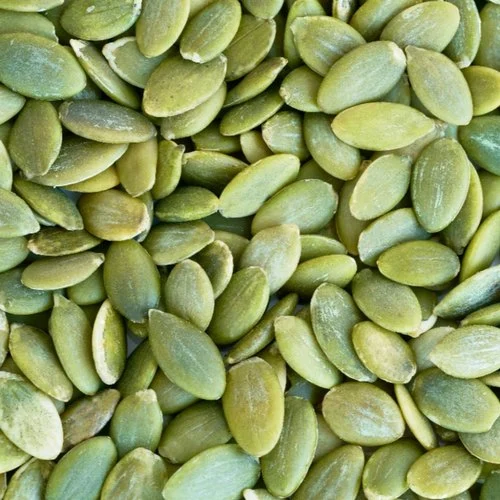
Dietary sources of L-arginine include meat, poultry, fish, dairy products, nuts, seeds, and legumes. However, achieving the doses used in clinical research through diet alone would require consuming impractically large quantities of these foods making supplementation a popular strategy for supporting nitric oxide-mediated physiological functions.
Beyond nitric oxide, L-arginine serves as a precursor for several important compounds:
This multifaceted metabolic role explains why L-arginine deficiency can have wide-ranging physiological consequences.
L-arginine’s most prominent application in men’s health centers on its role as the direct precursor to nitric oxide – the signaling molecule that triggers blood vessel relaxation and increased blood flow. This mechanism is fundamental to erectile function, as the penile arteries must dilate to allow the increased blood flow necessary for erection. Research published in the Journal of Sex and Marital Therapy demonstrated that L-arginine supplementation improved subjective measures of sexual function in men with concerns, particularly when combined with other supportive ingredients.
The enzyme nitric oxide synthase converts L-arginine to nitric oxide and citrulline in the presence of oxygen and cofactors including tetrahydrobiopterin and NADPH. Nitric oxide then diffuses into vascular smooth muscle cells and activates guanylate cyclase, leading to increased cyclic GMP production and subsequent smooth muscle relaxation. This cascade is identical to the pathway targeted by PDE5 inhibitors, though L-arginine supports the upstream production of nitric oxide rather than preventing its breakdown.
L-arginine’s nitric oxide-supporting effects have significant implications for cardiovascular health. Nitric oxide is essential for maintaining healthy blood vessel tone, preventing excessive vasoconstriction, and supporting normal blood pressure. The endothelium, thin layer of cells lining blood vessels which relies on adequate L-arginine availability to produce the nitric oxide necessary for vascular relaxation.
Research published in the Journal of the American College of Cardiology demonstrated that L-arginine supplementation can improve endothelial function in individuals with cardiovascular risk factors. By supporting nitric oxide bioavailability, L-arginine helps counteract the endothelial dysfunction that characterizes the early stages of atherosclerosis and hypertension.
Additional cardiovascular benefits include:
While male vitality and cardiovascular health represent L-arginine’s primary applications, research has explored other potential benefits:
| Health Category | Potential Benefit |
|---|---|
| Immune System Support | Essential for T-cell function and pathogen-combating nitric oxide production by immune cells; supports thymus gland function |
| Wound Healing and Tissue Repair | As a precursor to proline and hydroxyproline, supports collagen synthesis and tissue regeneration |
| Exercise Recovery | Supports growth hormone release, enhances blood flow, and reduces exercise-induced oxidative stress |
L-arginine supplements typically provide 3,000–6,000 mg daily, divided into two or three doses to maintain stable blood levels. High single doses may cause gastrointestinal discomfort due to osmotic effects in the intestine; sustained-release formulations have been developed to improve tolerability at higher doses.
Common formulation pairings include:
L-arginine is generally well-tolerated. The most common side effects are mild gastrointestinal symptoms such as nausea, diarrhea, and abdominal cramping particularly at higher doses, which can usually be minimized by dividing doses and taking with meals.
Important: Because of its effects on blood pressure and platelet function, L-arginine may interact with antihypertensive medications, nitrates, and anticoagulants. Individuals taking these medications should use L-arginine under medical supervision.
Additional considerations:
Individuals exploring L-arginine may also consider the following complementary ingredients:
| Ingredient | Mechanism | How It Complements L-Arginine |
|---|---|---|
| L-Citrulline | Converts to L-arginine in the body | May raise plasma arginine levels more effectively due to superior bioavailability |
| Horny Goat Weed | Contains icariin; supports NO production and inhibits PDE5 | Complements upstream NO synthesis with downstream cGMP preservation |
| Tongkat Ali | Modulates the hypothalamic-pituitary-gonadal axis | Addresses the hormonal dimension that L-arginine’s vascular effects complement |
| Coenzyme Q10 (CoQ10) | Mitochondrial energy support | Pairs well with L-arginine’s blood flow enhancement for cardiovascular health |
Explore the full range of circulation and vascular health supporters in the Ingredient Glossary.
Chen, J., Wollman, Y., Chernichovsky, T., Iaina, A., Sofer, M., & Matzkin, H. (1999). Effect of oral administration of high-dose nitric oxide donor L-arginine in men with organic erectile dysfunction: a double-blind, randomized, placebo-controlled study. BJU International, 83(3), 269–273. https://doi.org/10.1046/j.1464-410x.1999.00977.x
Lerman, A., Burnett, J. C., Higano, S. T., McKinley, L. J., & Holmes, D. R. (1998). Long-term L-arginine supplementation improves small-vessel coronary endothelial function in humans. Circulation, 97(21), 2123–2128. https://doi.org/10.1161/01.CIR.97.21.2123
Boger, R. H., Bode-Boger, S. M., Thiele, W., Junker, W., Alexander, K., & Frölich, J. C. (1997). Biochemical evidence for impaired nitric oxide synthesis in patients with peripheral arterial occlusive disease. Circulation, 95(8), 2068–2074. https://doi.org/10.1161/01.CIR.95.8.2068
Marfella, R., Nappo, F., Sasso, F. C., Siniscalchi, M., Sardu, L., & Paolisso, G. (2004). Inflammatory and prothrombotic mechanisms in the genesis of cardiovascular events: potential role of infections. Diabetes Care, 27(Suppl 1), S29–S34. https://doi.org/10.2337/diacare.27.2007.S29
Barbul, S., Lazarou, S. A., Efron, D. T., Wasserkrug, H. L., & Efron, G. (1990). Arginine enhances wound healing and lymphocyte immune responses in humans. Surgery, 108(2), 331–336. https://pubmed.ncbi.nlm.nih.gov/2382229/
Schwedhelm, E., Maas, R., Freese, R., Jung, D., Lukacs, Z., Jambrecina, A., … & Böger, R. H. (2008). Pharmacokinetic and pharmacodynamic properties of oral L-citrulline and L-arginine: impact on nitric oxide metabolism. British Journal of Clinical Pharmacology, 65(1), 51–59. https://doi.org/10.1111/j.1365-2125.2007.02990.x