- Your cart is empty
- Continue Shopping

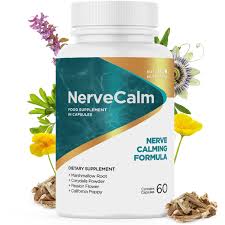
₨ 49.00Current price is: ₨ 49.00.₨ 59.00 Original price was: ₨ 59.00.
The article maintains a mostly factual and informative tone by explaining what NerveCalm is, how its ingredients may support nerve health, and what buyers should know before ordering. It includes useful details such as ingredient names, package pricing, refund policy, and usage-related FAQs. However, a few phrases feel slightly promotional, especially around results and customer satisfaction. With softer wording around benefits and clearer separation between proven facts and brand-stated claims, the article can sound more neutral, trustworthy, and buyer-friendly.
The Nerve Calm article is written as a product-focused landing page designed to educate potential buyers about a nerve support supplement while also encouraging them to purchase. The page includes several important sections that users normally expect before buying a supplement, such as the product overview, ingredient breakdown, benefits, customer testimonials, pricing, refund policy, FAQs, and a final disclaimer.
From a content structure perspective, the article is well-organized and easy to follow. It introduces the product clearly, explains what it is supposed to do, lists the ingredients, presents package options, and answers common buyer questions. This makes the page useful for readers who are trying to understand what NerveCalm is before making a purchase decision.
However, when reviewing the article for factual and neutral tonality, it becomes clear that the content sits somewhere between informational writing and promotional sales copy. Many sections present helpful details, but some claims are written with a high level of confidence that may require stronger evidence or softer wording. For a supplement page, especially one related to nerve health, the tone should be careful, balanced, and transparent. The article does include a disclaimer stating that the product is not intended to diagnose, treat, cure, or prevent disease, which is important. Still, some earlier sections use phrases that sound more direct and outcome-focused than neutral.
Overall, the article has a strong foundation but would benefit from clearer distinction between verified facts, ingredient-based research, and brand-stated product claims.
The article provides several factual elements that improve its usefulness. It mentions the product name, NerveCalm, describes it as a dietary supplement, and lists ingredients such as Alpha Lipoic Acid, Benfotiamine, Methylcobalamin B12, Acetyl-L-Carnitine, Vitamin B6, and Folate. These ingredient details give the reader something concrete to evaluate rather than relying only on broad marketing claims.
The article also includes specific commercial information, such as bottle pricing, package sizes, a 180-day money-back guarantee, and details about manufacturing standards. These points make the page more complete because buyers usually want to know the cost, refund option, and safety-related claims before ordering.
That said, the factual strength of the article depends on how well its claims are supported. For example, the page states that the formula may support nerve repair, myelin sheath health, nerve signaling, microcirculation, and neurological comfort. These claims are related to common supplement positioning, but they need to be framed carefully. A product page can say that certain ingredients are associated with nerve support, but it should avoid making the product itself sound clinically proven unless there is direct product-specific testing.
The article would become more factual if it used claim labels such as “ingredient research suggests,” “the brand states,” or “this formula is designed to support.” These phrases help separate scientific background from actual proof about the finished product.
The article makes an effort to sound educational, especially in the sections explaining nerve support and ingredient roles. The ingredient section is one of the stronger parts because it focuses on what each nutrient is commonly known for. It gives the reader useful context without only pushing them toward a purchase.
However, the tone is not fully neutral throughout the page. Some words and phrases make the article sound more promotional than objective. Examples include phrases such as “cutting-edge,” “masterfully designed,” “ironclad guarantee,” “absolutely wowed,” “advanced formula,” and “powerful advantages.” These phrases may create excitement, but they reduce the neutral feel of the content.
For a supplement page, a neutral tone is important because readers may already be concerned about discomfort, tingling, numbness, or nerve-related symptoms. If the page sounds too confident, it may appear less trustworthy. A more neutral version would avoid emotional exaggeration and focus on practical, measured benefits.
For example, instead of saying the product “fosters reliable comfort output” or “smooths out neuropathic volatility,” the article could say, “NerveCalm is designed to support normal nerve function and may help users maintain daily comfort as part of a wellness routine.” This sounds more natural, clearer, and safer.
One major strength of the article is its complete page structure. It does not simply introduce the product and ask users to buy. Instead, it covers multiple buyer questions, including what the product is, how it works, what ingredients it contains, where to buy it, what packages are available, and whether there is a refund policy.
The inclusion of FAQs is also helpful. Buyers often search for questions like “Is NerveCalm legit?”, “What are the ingredients?”, “Are there side effects?”, and “Can I take it with medications?” Adding these questions helps the page match user intent and makes it more useful from an SEO perspective.
Another strong point is the presence of a clear disclaimer. The final disclaimer states that the information is educational, not medical advice, and that the supplement is not intended to diagnose, treat, cure, or prevent disease. This is an important trust and compliance element, especially for health-related content.
The pricing section is also practical. It gives users clear package options and makes the offer easy to understand. When a page includes transparent pricing, it can reduce confusion and improve buyer confidence.
The ingredient section is another valuable part of the article. It gives the page more substance and helps the reader understand what is inside the formula. This is better than only saying the product is “natural” or “powerful” without explaining the formula.
The biggest improvement needed is claim moderation. Several benefits are presented too strongly. Phrases such as “supports nerve regeneration and repair,” “reduces tingling and numbness,” “alleviates burning sensations,” and “improves nerve conduction velocity” may sound like direct health outcome claims. Unless these outcomes are backed by product-specific clinical trials, they should be softened.
A safer version would be:
“NerveCalm is formulated with nutrients that may help support healthy nerve function, antioxidant defense, and normal nerve signaling.”
This keeps the benefit clear without overpromising.
The second issue is source alignment. The article lists scientific references at the end, but the references appear to discuss ingredients such as Schisandra, Indian gooseberry, Rhodiola rosea, and cocoa. These do not clearly match the main ingredient list shown on the page, which includes Alpha Lipoic Acid, Benfotiamine, Methylcobalamin, Acetyl-L-Carnitine, Vitamin B6, and Folate. This can create a trust issue because users may expect the references to support the exact formula ingredients.
For better factual accuracy, the references should be updated to match the actual ingredients in the product. If the page discusses Alpha Lipoic Acid, Benfotiamine, and Methylcobalamin, the scientific references should directly support those ingredients. Otherwise, the reference section may look decorative rather than genuinely useful.
The third issue is testimonial reliability. The article includes several customer reviews with names and “Verified Buyer” labels. Testimonials can be useful, but they should not imply guaranteed results. The review section would be stronger if it included a note that individual results vary. This protects the reader and makes the page feel more honest.
The fourth issue is overuse of repeated product keywords. The article repeats “NerveCalm” frequently, especially in the editorial and FAQ-style sections. This may help keyword targeting, but it can also make the content feel less natural. Modern SEO works better when the page uses natural variations such as “the formula,” “the supplement,” “this nerve support product,” and “the capsules.”
From an EEAT perspective, the article includes some trust-building elements, but it could be stronger. The page mentions GMP-certified and FDA-registered facilities, which are useful trust signals. It also includes a money-back guarantee, ingredient explanations, FAQs, and a disclaimer. These are positive signs.
However, the article does not clearly show who wrote or reviewed the content. For a health supplement page, an author or reviewer section would improve credibility. Ideally, the page should include an editorial reviewer, such as a nutrition writer, pharmacist, dietitian, or medical reviewer. Even if the page is promotional, health-related claims should be reviewed carefully.
The article should also explain the difference between an FDA-registered facility and FDA approval. Many readers may misunderstand this point. A facility can be FDA-registered, but that does not mean the supplement itself has been approved by the FDA. Adding a small clarification would make the page more transparent and trustworthy.
A stronger version could say:
“NerveCalm is manufactured in an FDA-registered facility. Dietary supplements are not individually approved by the FDA before sale.”
This kind of statement builds trust because it shows the brand is not trying to confuse readers.
The article does a good job covering buyer intent. People searching for a supplement like NerveCalm usually want to know what it does, whether it is safe, what ingredients it contains, how much it costs, where to buy it, and whether there is a refund option. The page answers most of these questions.
The “Who should consider it” style information could be improved. The article talks about nerve support generally, but it should more clearly explain who the product may be suitable for and who should avoid it. For example, it could mention that people taking medication, pregnant or breastfeeding women, and individuals with diagnosed nerve conditions should consult a healthcare professional before use.
The page should also avoid making users feel that the supplement is a replacement for medical care. Nerve discomfort, numbness, burning, or tingling can sometimes be linked to serious health concerns. The article should clearly encourage users to speak with a healthcare provider if symptoms are persistent, severe, or worsening.
The NerveCalm article is well-structured and contains many useful buyer-focused sections. It explains the product, lists key ingredients, provides pricing details, includes customer testimonials, answers common questions, and adds a health disclaimer. These elements make the page more complete than a basic sales page.
However, the article is not fully neutral in tone. It uses several promotional phrases and strong benefit claims that should be softened for better credibility. The page would also be more factual if the scientific references directly matched the ingredients discussed in the formula. At present, the content feels informative in some sections but overly sales-driven in others.
To improve the article, the writer should use more balanced wording, clarify which claims are brand-stated, add stronger ingredient-specific references, reduce exaggerated language, and include a clearer medical safety note. With these changes, the article would feel more factual, neutral, and trustworthy while still remaining persuasive for buyers.
Overall, the article has a solid foundation, but it needs better claim control and stronger evidence alignment to meet a higher standard of factual, neutral, and user-first supplement content.
Reviews
There are no reviews yet.