- Your cart is empty
- Continue Shopping

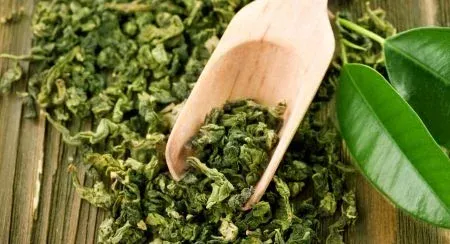
Green tea extract is a concentrated form of the bioactive compounds found in Camellia sinensis leaves, the same plant that produces black, oolong, and white teas. The key distinction lies in processing: green tea leaves are steamed or pan-fired shortly after harvesting, which prevents the oxidation that transforms catechins into theaflavins and thearubigins characteristic of black tea. This minimal processing preserves a high concentration of polyphenolic compounds, particularly catechins.
The most abundant and well-studied catechin in green tea is epigallocatechin gallate (EGCG), which typically constitutes 50 to 80 percent of the total catechin content. Other catechins include epicatechin, epigallocatechin, and epicatechin gallate. Standardized green tea extract supplements typically specify their EGCG and total polyphenol content to ensure consistent potency.
Green tea has been consumed for millennia, originating in China and spreading throughout Asia as both a beverage and a traditional medicine. Modern extraction techniques concentrate these beneficial compounds into forms that deliver therapeutic doses without requiring the consumption of numerous cups of tea daily. The extract may be produced through water extraction, solvent extraction, or supercritical fluid methods, with quality manufacturers employing processes that maximize catechin retention while minimizing caffeine and impurities.
Green tea extract has emerged as one of the most extensively researched natural ingredients for supporting healthy body composition. Its effects on weight management are mediated through several complementary mechanisms that influence energy expenditure, fat oxidation, and metabolic rate.
The thermogenic properties of green tea extract have been documented in numerous clinical trials. Research published in the American Journal of Clinical Nutrition demonstrated that green tea extract increased 24-hour energy expenditure and fat oxidation in human subjects. This thermogenic effect appears to result from the synergistic interaction between EGCG and caffeine naturally present in green tea. While caffeine stimulates the central nervous system and promotes catecholamine release, EGCG inhibits the enzyme catechol-O-methyltransferase (COMT), which degrades norepinephrine. The combined effect prolongs norepinephrine activity, enhancing lipolysis and thermogenesis.
EGCG also influences fat metabolism at the cellular level by inhibiting enzymes involved in fatty acid synthesis while promoting the expression of genes associated with fat oxidation. Studies suggest that green tea extract may preferentially enhance the oxidation of abdominal fat, an area of particular concern for metabolic health. A meta-analysis published in the International Journal of Obesity concluded that green tea catechins significantly reduced body weight and helped maintain weight loss, particularly when combined with caffeine.
Beyond direct effects on fat metabolism, green tea extract may support weight management through appetite regulation and improved exercise performance. Some research indicates that EGCG influences leptin signaling and ghrelin levels, hormones that regulate hunger and satiety. Additionally, the mild stimulant effect of green tea extract may enhance physical performance and exercise capacity, indirectly supporting caloric expenditure.
Green tea extract’s polyphenolic compounds confer benefits that extend well beyond weight management:
The moderate caffeine content combined with L-theanine in green tea provides a sustained energy boost without the jitters associated with higher caffeine sources. This balanced stimulation supports mental alertness and physical endurance.
Population studies consistently associate green tea consumption with cardiovascular benefits. EGCG appears to support healthy cholesterol levels, improve endothelial function, and reduce oxidative modification of LDL particles. Clinical trials have demonstrated improvements in blood flow and arterial flexibility with green tea supplementation.
The antioxidant capacity of green tea polyphenols helps protect skin from ultraviolet damage and environmental stressors. Topical and oral applications have been studied for their potential to reduce signs of photoaging, improve skin elasticity, and support collagen integrity.
Green tea catechins exhibit antimicrobial properties against oral bacteria, including species associated with dental caries and gum concerns. The fluoride content in tea leaves and the anti-inflammatory effects of polyphenols contribute to oral health support.
EGCG crosses the blood-brain barrier and has been investigated for its neuroprotective properties. Research suggests it may support cognitive function through antioxidant mechanisms and by influencing signaling pathways involved in neuronal health.
Green tea extract supplements vary widely in their catechin and caffeine content. Standardized extracts typically provide between 250 and 500 milligrams of EGCG daily, though some formulations offer higher concentrations. Decaffeinated options are available for individuals sensitive to stimulants.
The bioavailability of EGCG is relatively low, prompting the development of enhanced delivery systems including liposomal formulations, phytosome complexes, and combinations with piperine. These approaches aim to improve absorption and prolong circulating levels of active compounds.
Quality considerations are particularly important with green tea extract, as the concentration process may also concentrate environmental contaminants. Reputable manufacturers test for heavy metals, pesticides, and microbial contamination.
Find more naturally derived compounds for energy and body composition support in our Ingredient Glossary.
Green tea extract is generally safe at moderate doses, though high concentrations have been associated with rare cases of liver concerns, particularly when taken on an empty stomach or in combination with other hepatotoxic substances. To minimize risk, consumers should follow dosing recommendations, take extracts with food, and avoid exceeding suggested daily limits.
Note: The caffeine content may cause sleep disturbances, anxiety, or increased heart rate in sensitive individuals. Green tea extract may interact with blood-thinning medications and certain antibiotics due to its vitamin K content and effects on drug metabolism. Pregnant and breastfeeding women should limit intake due to caffeine content.
Individuals exploring green tea extract may also consider:
Dulloo, A. G., Duret, C., Rohrer, D., Girardier, L., Mensi, N., Fathi, M., … & Vandermander, J. (1999). Efficacy of a green tea extract rich in catechin polyphenols and caffeine in increasing 24-h energy expenditure and fat oxidation in humans. The American Journal of Clinical Nutrition, 70(6), 1040–1045. https://doi.org/10.1093/ajcn/70.6.1040
Hursel, R., Viechtbauer, W., & Westerterp-Plantenga, M. S. (2009). The effects of green tea on weight loss and weight maintenance: a meta-analysis. International Journal of Obesity, 33(9), 956–961. https://doi.org/10.1038/ijo.2009.135
Rains, T. M., Agarwal, S., & Maki, K. C. (2011). Antiobesity effects of green tea catechins: a mechanistic review. The Journal of Nutritional Biochemistry, 22(1), 1–7. https://doi.org/10.1016/j.jnutbio.2010.06.006
Cabrera, C., Artacho, R., & Giménez, R. (2006). Beneficial effects of green tea: a review. Journal of the American College of Nutrition, 25(2), 79–99. https://doi.org/10.1080/07315724.2006.10719518
Kuriyama, S., Shimazu, T., Ohmori, K., Kikuchi, N., Nakaya, N., Nishino, Y., … & Tsuji, I. (2006). Green tea consumption and mortality due to cardiovascular disease, cancer, and all causes in Japan: the Ohsaki study. JAMA, 296(10), 1255–1265. https://doi.org/10.1001/jama.296.10.1255
Mancini, E., Beglinger, C., Drewe, J., Zanchi, D., Lang, U. E., & Borgwardt, S. (2017). Green tea effects on cognition, mood and human brain function: a systematic review. Phytomedicine, 34, 26–37. https://doi.org/10.1016/j.phymed.2017.07.008