- Your cart is empty
- Continue Shopping
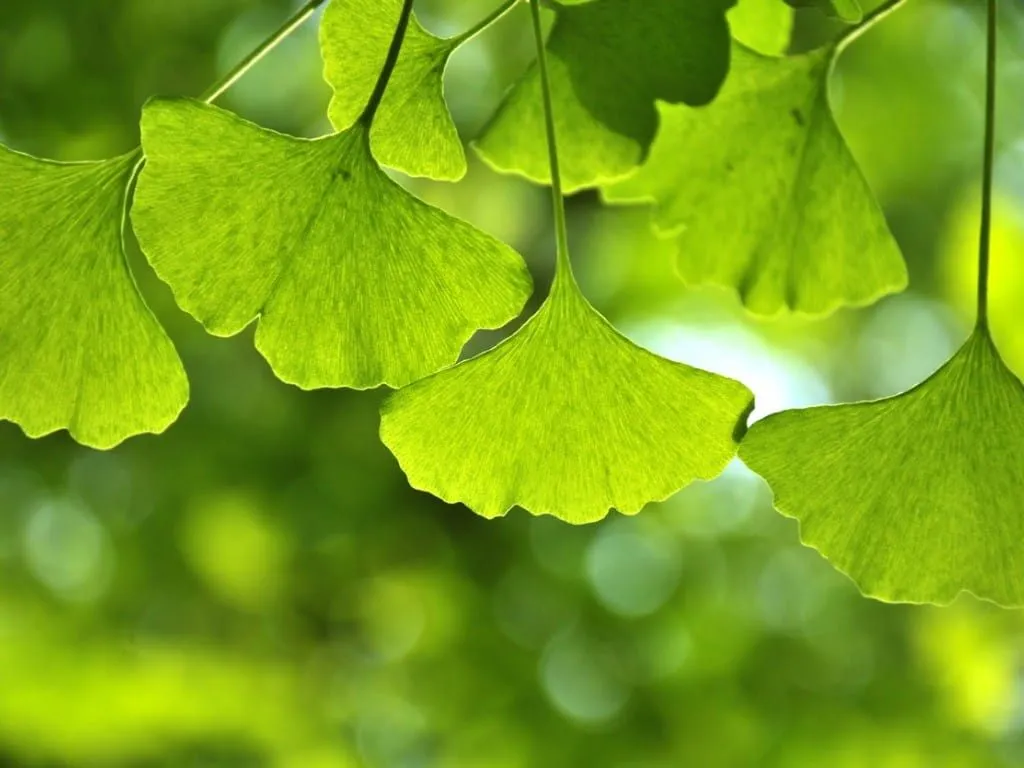
Ginkgo biloba is one of the oldest living tree species on Earth, with fossil records dating back over 270 million years. Often called a “living fossil,” this unique tree is the sole surviving member of the division Ginkgophyta, with all related species having gone extinct. Native to China, ginkgo has been cultivated for thousands of years and is now widely planted as an ornamental tree across temperate regions worldwide, prized for its distinctive fan-shaped leaves and remarkable resilience to pollution and disease.
The medicinal use of ginkgo dates to traditional Chinese medicine, where the seeds were employed for respiratory conditions and the leaves for cognitive support. Modern ginkgo supplements utilize standardized leaf extracts rather than seeds, as the leaf contains the bioactive flavonoid and terpenoid compounds responsible for the herb’s therapeutic effects. The most extensively researched standardized extract known as EGb761 is produced through a multi-step extraction process that concentrates specific active constituents.
The primary bioactive compounds in ginkgo leaf are:
Ginkgolides are unique to the ginkgo tree and are potent antagonists of platelet-activating factor, a compound involved in inflammatory and clotting processes. Bilobalide appears to protect neural tissue by antagonizing receptors for excitatory amino acids and supporting mitochondrial function. Standardized extracts typically contain 24% flavone glycosides and 6% terpene lactones.
Ginkgo biloba is most widely recognized for its potential role in supporting cognitive function, particularly in the context of age-related cognitive changes. The herb’s effects on brain health are mediated through several complementary mechanisms that address both circulatory and cellular aspects of neural function.
Research published in the Journal of the American Medical Association demonstrated that standardized ginkgo extract was associated with improvements in cognitive performance and social functioning in individuals with cognitive concerns. The proposed mechanisms include enhanced cerebral blood flow through relaxation of blood vessels and reduction of blood viscosity. By improving microcirculation in the brain, ginkgo ensures adequate delivery of oxygen and glucose to neural tissues, supporting optimal cognitive performance.
Ginkgo’s antioxidant properties are particularly relevant to brain health. The brain is highly susceptible to oxidative damage due to its high metabolic activity, abundant lipid content, and relatively limited antioxidant defenses. The flavonoid compounds in ginkgo scavenge free radicals and protect neural membranes from lipid peroxidation, preserving the structural integrity of neurons.
The terpene lactones (particularly bilobalide) offer additional neuroprotective benefits. Bilobalide appears to support mitochondrial function in neural cells, ensuring efficient energy production, and modulates glutamate receptor activity, potentially protecting neurons from excitotoxic damage caused by excessive stimulation. These cellular protective effects complement the circulatory benefits to provide comprehensive support for brain health.
Clinical studies have investigated ginkgo’s effects on memory, attention, and executive function. While results have been mixed, the overall body of evidence suggests that standardized ginkgo extract may support cognitive performance, particularly in older adults and those with baseline cognitive concerns. The herb is often used as part of comprehensive brain health regimens alongside other cognitive-supporting ingredients.
The same circulatory-enhancing properties that benefit brain function also support ocular health. The retina and optic nerve require robust blood supply to maintain function, and age-related changes in ocular circulation are associated with various vision concerns.
Research has explored ginkgo’s potential role in supporting retinal health, particularly in conditions involving compromised blood flow to the eye. Studies suggest that ginkgo may improve visual field parameters and contrast sensitivity in individuals with certain retinal concerns. The flavonoids in ginkgo appear to protect retinal cells from oxidative stress, while the terpene lactones support healthy blood flow through the delicate vasculature of the eye.
Ginkgo’s influence on platelet-activating factor may also benefit eye health by modulating inflammatory processes that can affect ocular tissues. This anti-inflammatory action, combined with antioxidant protection, positions ginkgo as a candidate for comprehensive vision support formulations.
Emerging research has investigated ginkgo’s potential application for auditory health, particularly in the context of age-related hearing concerns and tinnitus. The inner ear is highly metabolically active and sensitive to changes in blood flow and oxidative stress factors that ginkgo addresses through its established mechanisms.
Studies published in Audiology and Neuro-Otology have examined ginkgo’s effects on tinnitus, the perception of ringing or noise in the ears. While results have been variable, some trials have shown improvements in tinnitus severity scores with standardized ginkgo extract. The mechanisms likely involve:
For general auditory health, ginkgo’s ability to support healthy blood flow to the inner ear and protect neural tissues from oxidative stress makes it a relevant ingredient in formulations targeting comprehensive hearing wellness.
Cardiovascular Health Ginkgo’s effects on vascular tone and blood viscosity may support overall cardiovascular function. The herb appears to promote healthy arterial flexibility and reduce oxidative modification of circulating lipids.
Mood and Stress Some research suggests ginkgo may support emotional well-being in older adults, possibly through its effects on cerebral blood flow and neurotransmitter systems. This application is less established than its cognitive benefits but represents an area of ongoing investigation.
Ginkgo biloba supplements typically provide 120 to 240 mg of standardized extract daily, divided into two or three doses. The EGb761 standardized extract has been the subject of most clinical research and is considered the gold standard for quality. Consumers should seek products that specify flavone glycoside and terpene lactone content to ensure therapeutic potency.
Ginkgo requires consistent use over several weeks to months before benefits become apparent, as its effects on circulation and cellular protection accumulate gradually. It is often combined with other cognitive-supporting ingredients such as Bacopa Monnieri, Phosphatidylserine, and Alpha GPC in comprehensive brain health formulations.
Ginkgo biloba is generally well-tolerated, with mild gastrointestinal symptoms, headache, or dizziness being the most commonly reported side effects.
Important: Because of its effects on platelet function, ginkgo may increase bleeding risk and should be discontinued prior to surgical procedures. Individuals taking anticoagulant or antiplatelet medications should use ginkgo only under medical supervision.
The raw seeds of the ginkgo tree contain ginkgotoxin, a compound that can cause toxicity if consumed in large quantities. Commercial leaf extracts are processed to remove this compound and are safe at recommended doses. Pregnant and breastfeeding women should avoid ginkgo due to insufficient safety data.
Individuals exploring ginkgo biloba may also consider the following complementary options:
| Ingredient | How It Complements Ginkgo Biloba |
|---|---|
| Bacopa Monnieri | An Ayurvedic herb with robust clinical evidence for memory enhancement and cognitive processing speed, offering complementary mechanisms to ginkgo’s circulatory benefits |
| Phosphatidylserine | A phospholipid component of cell membranes that supports neuronal communication and has been studied for age-related cognitive support |
| Alpha GPC | Provides choline for acetylcholine synthesis-the neurotransmitter central to learning and memory which directly supports neurochemical aspects of cognition that ginkgo addresses indirectly |
| Lutein & Zeaxanthin | Offer targeted support for macular pigment density and retinal protection for those also concerned with vision health |
Le Bars, P. L., Katz, M. M., Berman, N., Itil, T. M., Freedman, A. M., & Schatzberg, A. F. (1997). A placebo-controlled, double-blind, randomized trial of an extract of Ginkgo biloba for dementia. JAMA, 278(16), 1327–1332. https://doi.org/10.1001/jama.1997.03550160047037
DeFeudis, F. V., & Drieu, K. (2000). Ginkgo biloba extract (EGb761) and CNS functions: basic studies and clinical applications. Current Drug Targets, 1(1), 25–58. https://doi.org/10.2174/1389450003349389
Maclennan, K. M., Darlington, C. L., & Smith, P. F. (2002). The CNS effects of Ginkgo biloba extracts and ginkgolide B. Progress in Neurobiology, 67(3), 235–257. https://doi.org/10.1016/S0301-0082(02)00015-1
Quaranta, L., Bettelli, S., Uva, M. G., Semeraro, F., Turano, R., & Gandolfo, E. (2004). Effect of Ginkgo biloba extract on preexisting visual field damage in normal tension glaucoma. Ophthalmology, 111(2), 359–364. https://doi.org/10.1016/j.ophtha.2003.06.020
Morgenstern, C., & Biermann, E. (2002). The efficacy of Ginkgo special extract EGb761 in patients with tinnitus. International Journal of Clinical Pharmacology and Therapeutics, 40(5), 188–197. https://doi.org/10.5414/CPP40188
Mahadevan, S., & Park, Y. (2008). Multifaceted therapeutic benefits of Ginkgo biloba L.: chemistry, efficacy, safety, and uses. Journal of Food Science, 73(1), R14–R19. https://doi.org/10.1111/j.1750-3841.2007.00597.x