- Your cart is empty
- Continue Shopping

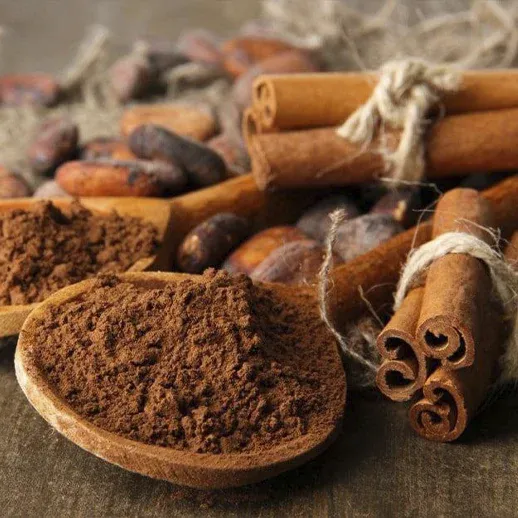
Cinnamon is one of the oldest known spices, derived from the inner bark of trees belonging to the genus Cinnamomum. This aromatic bark has been treasured for millennia for its distinctive flavor, preservative properties, and traditional medicinal applications. Historical records indicate that cinnamon was used in ancient Egypt for embalming, in medieval Europe as a food preservative, and in traditional medicine systems across Asia for digestive and metabolic support.
Two primary types of cinnamon are commercially available and used in supplements:
Quality cinnamon supplements typically specify the species used and may standardize content for specific bioactive compounds.
The bioactive constituents responsible for cinnamon’s metabolic effects include cinnamaldehyde, cinnamic acid, and various polyphenolic compounds. Cinnamaldehyde, the compound that gives cinnamon its characteristic flavor and aroma which appears to be particularly important for the spice’s effects on glucose metabolism. Other compounds, including proanthocyanidins and catechins, contribute to cinnamon’s antioxidant capacity.
Cinnamon has emerged as one of the most promising natural ingredients for supporting healthy blood glucose levels and overall metabolic function. Research into cinnamon’s metabolic effects has produced compelling evidence that this common kitchen spice possesses significant physiological activity relevant to glucose regulation.
Studies published in Diabetes Care have demonstrated that cinnamon can reduce fasting blood glucose levels in individuals with metabolic concerns. The mechanisms underlying these effects are multifaceted:
A meta-analysis published in the Journal of Medicinal Food concluded that cinnamon supplementation is associated with statistically significant reductions in fasting blood glucose, total cholesterol, and triglycerides, while increasing HDL cholesterol. These comprehensive metabolic benefits position cinnamon as a foundational ingredient for blood sugar support formulations.
Antioxidant and Anti-Inflammatory Support Cinnamon is exceptionally rich in polyphenolic antioxidants, ranking among the highest of all foods in oxygen radical absorbance capacity. These antioxidants protect cells from oxidative damage and modulate inflammatory pathways, supporting general wellness.
Digestive Health Traditional use of cinnamon for digestive complaints finds support in its antimicrobial properties against common gastrointestinal pathogens and its carminative effects that reduce gas and bloating.
Cognitive Function Preliminary research suggests that cinnamon compounds may inhibit the aggregation of certain proteins implicated in age-related cognitive decline, though clinical applications in this area remain investigational.
Cinnamon supplements vary considerably in type and dosage. Ceylon cinnamon extracts are preferred for long-term use due to lower coumarin content. Typical supplemental doses range from 500 mg to 3 g daily of cinnamon powder or extract, with higher doses generally producing more pronounced metabolic effects.
Water-soluble cinnamon extracts sometimes sold under proprietary names such as Cinnulin PF – concentrate the polyphenolic compounds while reducing coumarin content, allowing for lower dosing while maintaining bioactive compound levels.
Cinnamon is frequently combined with other blood sugar-supporting ingredients such as Chromium Picolinate, Berberine, and Gymnema Sylvestre. These combinations leverage distinct mechanisms to provide comprehensive metabolic support. It also appears in weight management formulations where its effects on glucose and insulin may help reduce fat storage and support appetite control.
Cinnamon is generally recognized as safe when consumed in culinary amounts. At supplemental doses, Ceylon cinnamon is strongly preferred for long-term use due to its low coumarin content. High-dose Cassia cinnamon consumption over extended periods may pose liver concerns due to coumarin accumulation.
Important: Because of its glucose-lowering effects, individuals taking diabetes medications should monitor blood sugar closely when using cinnamon supplements to avoid hypoglycemia. Cinnamon may also interact with antibiotics and heart medications due to effects on drug metabolism. Those with liver conditions should consult a healthcare provider before using high-dose cinnamon supplements.
Individuals exploring cinnamon may also consider the following complementary options:
| Ingredient | How It Complements Cinnamon |
|---|---|
| Berberine | Activates AMPK, the cellular metabolic master switch, with robust clinical evidence for reductions in fasting glucose and hemoglobin A1c |
| Chromium Picolinate | Serves as an essential trace mineral cofactor for glucose tolerance factor, enhancing insulin sensitivity at the cellular level |
| Gymnema Sylvestre | Contains gymnemic acids that may support pancreatic islet cell function and reduce sweet cravings, complementing cinnamon’s enzymatic and receptor-level effects |
| Alpha Lipoic Acid | Offers antioxidant protection for nerve tissues alongside its own glucose-lowering benefits, ideal for those seeking comprehensive metabolic and nerve support |
Learn about other kitchen staples and traditional remedies with modern research support in our Ingredient Glossary.
Khan, A., Safdar, M., Ali Khan, M. M., Khattak, K. N., & Anderson, R. A. (2003). Cinnamon improves glucose and lipids of people with type 2 diabetes. Diabetes Care, 26(12), 3215–3218. https://doi.org/10.2337/diacare.26.12.3215
Allen, R. W., Schwartzman, E., Baker, W. L., Coleman, C. I., & Phung, O. J. (2013). Cinnamon use in type 2 diabetes: an updated systematic review and meta-analysis. The Annals of Family Medicine, 11(5), 452–459. https://doi.org/10.1370/afm.1517
Qin, B., Panickar, K. S., & Anderson, R. A. (2010). Cinnamon: potential role in the prevention of insulin resistance, metabolic syndrome, and type 2 diabetes. Journal of Diabetes Science and Technology, 4(3), 685–693. https://doi.org/10.1177/193229681000400324
Imparl-Radosevich, J., Deas, S., Polansky, M. M., Baedke, D. A., Ingebritsen, T. S., Anderson, R. A., & Graves, D. J. (1998). Regulation of PTP-1 and insulin receptor kinase by fractions from cinnamon: implications for cinnamon regulation of insulin signalling. Hormone Research, 50(3), 177–182. https://doi.org/10.1159/000023270
Anderson, R. A., Broadhurst, C. L., Polansky, M. M., Schmidt, W. F., Khan, A., Flanagan, V. P., & Graves, D. J. (2004). Isolation and characterization of polyphenol type-A polymers from cinnamon with insulin-like biological activity. Journal of Agricultural and Food Chemistry, 52(1), 65–70. https://doi.org/10.1021/jf034916b
Rao, P. V., & Gan, S. H. (2014). Cinnamon: a multifaceted medicinal plant. Evidence-Based Complementary and Alternative Medicine, 2014, 642942. https://doi.org/10.1155/2014/642942