- Your cart is empty
- Continue Shopping

Do Health Supplements Actually Work? A Science-Based Look
- Health & Wellness
- Posted on
-
by sofie cull
- 0 comments
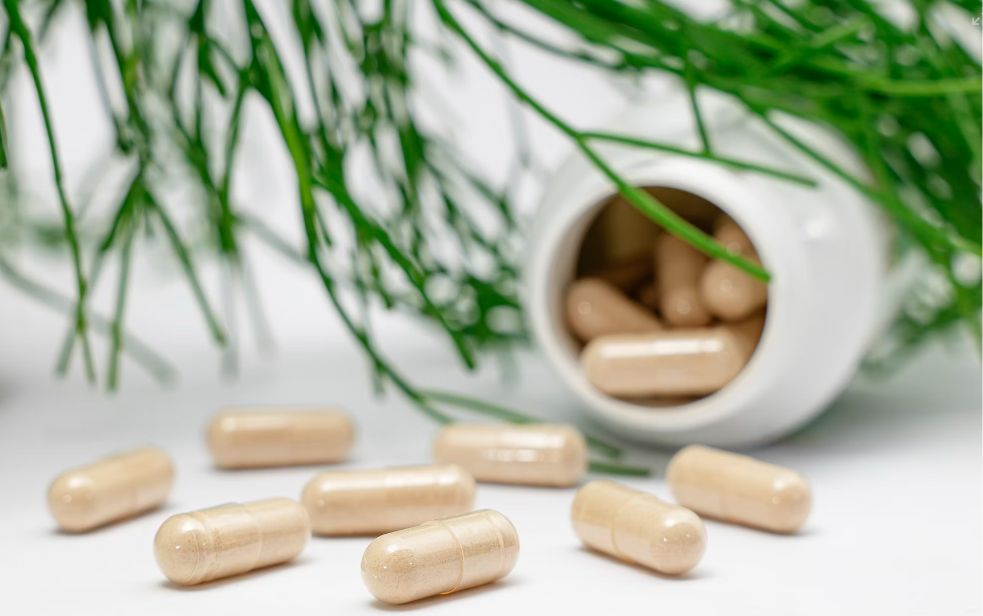
Do health supplements actually work? This is one of the most common questions among beginners — and the honest answer is: some do, some don’t, and context matters enormously. The supplement aisle is packed with bold promises: “boosts immunity,” “supports brain health,” “enhances energy.” If you’re new to this topic, read our What Are Health Supplements? Beginner’s Guide first.
What “Working” Actually Means
Supplements work in several distinct ways:
- Correcting documented deficiencies: Iron for anemia, vitamin D for insufficiency, vitamin B12 for pernicious anemia. These are well-established, evidence-based interventions.
- Filling nutritional gaps: Targeted supplementation for dietary restrictions (veganism, food allergies) or life stages with elevated needs (pregnancy, advanced age).
- Supporting specific physiological functions: Omega-3 fatty acids for cardiovascular health, creatine for muscle energy supply, magnesium as a stool softener. These have solid research backing.
- Maintaining long-term wellness: Some supplements show benefits in specific populations over extended periods, such as multivitamins supporting cognitive function in older adults.
The key distinction is between treating a deficiency (high confidence, strong evidence) and enhancing already-adequate nutrition (mixed evidence, highly variable results). So do health supplements actually work for deficiencies? Absolutely yes — the evidence is strong and well-established.
Supplements for Men’s Health Concerns
Prostate health. Supplements containing saw palmetto extract and beta-sitosterol have been widely studied for their potential to support urinary function and prostate comfort. Clinical studies have found that these compounds can improve lower urinary tract symptoms associated with benign prostatic hyperplasia — see NIH research on saw palmetto for the full evidence review, particularly in younger men with milder symptoms who prefer a natural approach. The brands featured on our site include carefully selected prostate support formulas with verified beta-sitosterol content.
Sexual health and vitality. Various natural compounds have been traditionally used to support libido, energy, and performance. Korean red ginseng, muira puama, and horny goat weed are among the botanicals that have been studied for their potential effects on desire and arousal. Zinc is essential for testosterone synthesis and reproductive health. While individual responses vary, many men report positive experiences with these targeted formulations. Our curated selection includes men’s vitality supplements with transparent labeling and official website links for your peace of mind.
Supplements for Women’s Health Concerns
Menopause and perimenopause. Black cohosh is one of the most well-studied botanicals for this life stage, with research suggesting it may help ease vasomotor symptoms such as hot flashes and night sweats. Soy isoflavones and red clover contain phytoestrogens that some women find beneficial. Evening primrose oil and flaxseed have also been explored for their potential to support hormonal comfort during this transition.
Libido and sexual wellness. Supplements containing tribulus, maca root, fenugreek, and Korean ginseng have been studied for their potential to support desire, drive, and arousal. In one study, 67% of women with very low libidos reported increased desire after 90 days of taking tribulus. Our site features women’s libido supplements formulated with research-backed ingredients and convenient buy links.
Hormonal balance and PMS support. Chaste tree berry (Vitex) has a long history of traditional use for menstrual cycle regularity and premenstrual comfort. It has been approved by German health authorities for PMS, breast tenderness, and menstrual irregularities. Inositol has strong evidence for supporting insulin sensitivity and ovulatory function in women with PCOS. Magnesium, vitamin B6, and zinc also play important roles in hormonal health and menstrual comfort.
How to Choose Supplements That Work for You
Start with your specific needs. A blood test for vitamin D, iron, B12, or other markers eliminates guesswork. Self-diagnosing based on symptoms alone is unreliable.
Target your supplementation. Single-ingredient products allow you to identify what works. Multivitamins are convenient but make it impossible to pinpoint which component is helping or causing side effects.
Verify quality. Look for third-party certifications (USP, NSF, ConsumerLab), transparent labeling without proprietary blends, and cGMP-compliant manufacturing. You can also check the FDA dietary supplement guidelines to understand how supplements are regulated in the US.
Set realistic timelines. Supplements are not medications. Expect weeks to months of consistent use before evaluating effects. Keep a log of what you take, when you started, and any changes you notice.
Consult healthcare providers. Particularly if you have existing conditions or take medications, professional guidance prevents harmful interactions and ensures you’re addressing real needs.
Final Thoughts
Supplements work best when deployed strategically, not as replacements for whole foods or medical care, but as targeted tools to fill specific gaps. The research is clear that context is everything: a supplement that helps a pregnant woman prevent birth defects does nothing for a healthy young man seeking “more energy.”
The most effective approach is education-driven and personalized. Identify your actual needs, choose quality-verified products, and give them time to work. Browse our curated selection with transparent labeling, official website links, and buy links to find supplements backed by real evidence for your specific goals.
Do health supplements actually work in the long run? Only when used strategically, with quality sourcing and realistic expectations.
Frequently Asked Questions About Health Supplements
Do health supplements actually work for everyone?
Not universally. Supplements work best when correcting a documented deficiency or filling a specific nutritional gap. A healthy person with no deficiencies may see little benefit, while someone deficient in vitamin D or B12 may see significant improvement.
Which supplements have the strongest scientific evidence?
Vitamin D, iron, B12, omega-3 fatty acids, creatine, and magnesium have the strongest research backing, particularly when used to correct confirmed deficiencies or support specific physiological functions.
How long does it take for health supplements to work?
Most supplements require consistent use over several weeks to months before measurable effects appear. Keeping a log of your intake and symptoms helps you track progress accurately.

