- Your cart is empty
- Continue Shopping

What Are Health Supplements? The Essential Beginner’s Guide (2026)
- Uncategorized
- Posted on
-
by sofie cull
- 0 comments
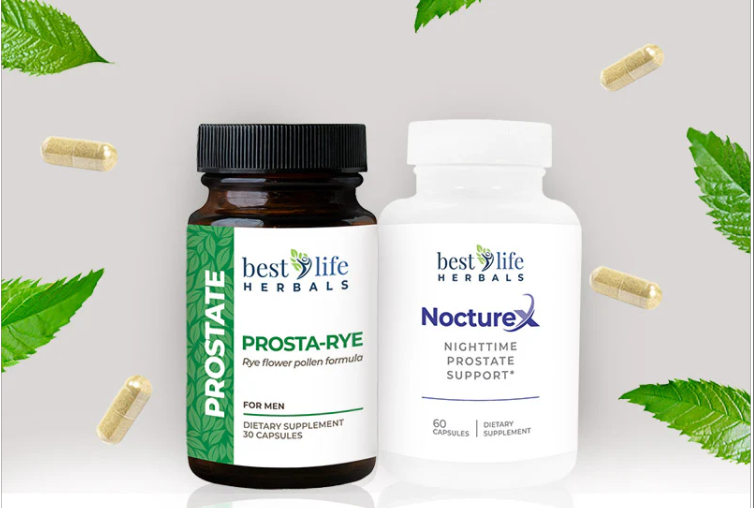
What are health supplements? If you’re new to the world of supplements, the sheer volume of products, claims, and conflicting advice can feel completely overwhelming. Health supplements are products designed to add nutritional value to your diet — and this complete guide breaks down everything you need to know to get started safely, smartly, and with confidence.
Whether you’re trying to fill a nutritional gap, support your energy levels, or simply understand what you’re putting in your body, this guide covers it all.
So, What Are Health Supplements Exactly?
Health supplements also called dietary supplements are products intended to complement your diet by providing nutrients your body may not be getting enough of from food alone. They include vitamins, minerals, herbs, amino acids, enzymes, probiotics, and fatty acids, typically delivered in the form of capsules, tablets, powders, liquids, or gummies.
Under U.S. regulation, dietary supplements are classified as a category distinct from both food and pharmaceutical drugs. The key word here is supplement these products are designed to complement your dietary intake, not replace whole foods or treat medical conditions.

Understanding what are health supplements and how they work is the first step toward using them effectively.

The Major Categories of Health Supplements
Vitamins and Minerals
Vitamins and minerals are micronutrients your body needs in small amounts for essential functions. Vitamin D regulates calcium absorption and supports immune function. Iron enables oxygen transport through hemoglobin. Magnesium supports muscle and nerve function, energy production, and bone structure. Deficiencies in these micronutrients can produce measurable health consequences over time.
Herbal and Botanical Supplements
Herbal supplements derive from plants and have traditional use histories spanning centuries. Turmeric contains curcumin, which has been studied extensively for its anti-inflammatory properties. Ashwagandha is categorized as an adaptogen, with research examining its effects on stress response and cortisol levels. Echinacea has been investigated for immune modulation. The evidence base for botanicals varies significantly from robust to preliminary so always check the research before purchasing.
Protein and Amino Acid Supplements
Protein supplements address macronutrient needs for individuals with elevated protein requirements or dietary constraints. Whey, casein, soy, pea, and rice proteins are popular options. Branched-chain amino acids (BCAAs) target specific muscle recovery applications, though their superiority over whole protein sources remains debated among nutrition scientists.
Fatty Acid Supplements
Fatty acid supplements primarily omega-3s from fish oil or algae provide EPA and DHA, which support cardiovascular health, cognitive function, and inflammatory pathways. Algae-derived omega-3s are an excellent option for vegans and those avoiding marine contaminants.
Probiotics
Probiotics contain live microorganisms intended to support gut health by modulating microbiota composition. Strain specificity matters enormously here a Lactobacillus strain studied for antibiotic-associated diarrhea may have no relevance for general digestive wellness. Always match the probiotic strain to your specific health goal.
How Are Health Supplements Regulated?
In the United States, the FDA regulates dietary supplements under the Dietary Supplement Health and Education Act of 1994 (DSHEA). This framework differs substantially from pharmaceutical regulation in one critical way: manufacturers do not need FDA approval before marketing supplements.
According to the Dietary Supplements | FDA, manufacturers are responsible for ensuring product safety and label accuracy. The FDA can take action against unsafe products or false claims, but this typically occurs post-market rather than pre-market.
This regulatory structure places significant responsibility on consumers to evaluate product quality. Third-party testing from organizations like Dietary Supplement and Vitamin Certification | NSF, USP, or ConsumerLab provides independent verification of identity, potency, and purity and is one of the most reliable ways to choose a trustworthy product.
Who Actually Needs Health Supplements?
Many healthy individuals with balanced diets may still benefit from targeted supplementation. Modern lifestyles, dietary preferences, and individual biology can make it genuinely difficult to reach optimal nutrient levels from food alone. Several common scenarios create real supplementation needs:
- Documented deficiencies confirmed through laboratory blood testing
- Dietary restrictions such as veganism, food allergies, or medical elimination diets
- Life stages with elevated nutritional requirements — pregnancy, lactation, and advanced age
- Limited sun exposure contributing to vitamin D insufficiency (extremely common globally)
- Malabsorption conditions that affect how your body absorbs nutrients from food
- Medication-induced depletions of specific vitamins or minerals
- Active lifestyles with increased nutritional demands for recovery and performance
- Busy schedules that make consistent, balanced eating genuinely difficult
If you recognize yourself in any of these categories, targeted supplementation may be genuinely beneficial for you.
How to Start Taking Health Supplements Responsibly
Step 1 — Start with your diet
Assess whether your current eating patterns genuinely lack specific nutrients before purchasing any supplement. A food-first approach is always safer and more sustainable, with health supplements serving as a strategic complement — not a replacement.
Step 2 — Get objective data
Blood tests for vitamin D, iron, B12, and other key markers eliminate guesswork entirely. Self-diagnosing deficiencies based on symptoms alone is unreliable and can lead to unnecessary supplementation.
Step 3 — Choose single-ingredient products first
Multivitamins seem convenient but make it impossible to identify which component produces an effect or side effect. Targeted, single-ingredient supplementation allows precise evaluation of what is and isn’t working for your body.
Step 4 — Verify quality indicators
Look for third-party certification, transparent labeling without proprietary blends, and manufacturers with cGMP (Current Good Manufacturing Practice) compliance. Avoid any products making disease treatment claims — these violate FDA regulations and are a red flag.
Step 5 — Introduce one supplement at a time
This isolates effects and makes it simple to identify benefits or adverse reactions. Keep a brief log of what you take, when you started, and any changes you notice.
Step 6 — Set realistic timelines
Health supplements are not medications. Nutritional interventions typically require weeks to months of consistent use before measurable effects emerge. Patience and consistency are essential.
Frequently Asked Questions About Health Supplements
- Do I need health supplements if I eat a balanced diet?
Many people with balanced diets still have nutritional gaps — especially for vitamin D, B12, omega-3s, and magnesium. These deficiencies are among the most common globally, even in people who eat well. Blood tests can confirm whether you have a deficiency before starting any supplement, which is always the recommended first step.
- Are health supplements safe to take every day?
Most supplements are safe when taken as directed and sourced from verified, quality brands. Always choose products with third-party testing certification (NSF International, USP, or ConsumerLab) and consult a healthcare provider if you take medications, as some supplements can interact with prescription drugs.
- What supplements should a beginner start with?
Beginners are most commonly advised to start with vitamin D, magnesium, and omega-3s — three of the most widespread deficiencies in the general population. That said, always get a blood test first to confirm your personal needs before purchasing, rather than supplementing based on assumption.
Final Thoughts on What Are Health Supplements
Health supplements are genuinely valuable tools when used with clear purpose, quality sourcing, and realistic expectations. Understanding what health supplements are, how they’re regulated, and which categories exist puts you firmly ahead of most beginners entering this space.
The most appropriate supplement is always one that matches your individual goals, is backed by independent quality verification, and fits your lifestyle consistently. Education, patience, and a food-first mindset are your greatest assets.
Ready to find the right supplement for you? Browse our curated selection of quality-verified products with convenient buy links and official website links to get started with confidence.
*Disclaimer: This content is educational and is not a substitute for professional medical advice. Consult a healthcare provider before beginning any supplement regimen, particularly if you have existing health conditions or take medications.*

