- Your cart is empty
- Continue Shopping

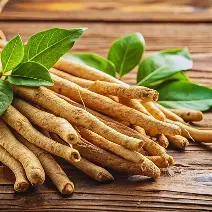
Ashwagandha, known botanically as Withania somnifera, is a small evergreen shrub belonging to the Solanaceae family, which also includes tomatoes, peppers, and eggplants. Native to the arid regions of India, the Middle East, and parts of Africa, this adaptogenic herb has been a cornerstone of Ayurvedic medicine for over three thousand years. The name “ashwagandha” derives from Sanskrit, combining “ashva” meaning horse and “gandha” meaning smell, referring to both the root’s strong horse-like odor and the traditional belief that it imparts the strength and vitality of a horse.
The therapeutic properties of ashwagandha reside primarily in its root, though the leaves also contain bioactive compounds. The most studied constituents are a group of steroidal lactones called withanolides, with withaferin A and withanolide D receiving particular research attention. These compounds are structurally similar to certain human hormones and are believed to underlie many of the herb’s physiological effects. Standardized extracts typically quantify withanolide content to ensure consistent potency across products.
Traditional Ayurvedic practitioners used ashwagandha as a rasayana, a category of rejuvenating tonics believed to promote longevity, enhance resilience, and restore balance to the body. Modern scientific investigation has validated many of these traditional applications, positioning ashwagandha as one of the most extensively researched adaptogenic herbs available today.
Ashwagandha’s most robustly supported application lies in its ability to modulate the body’s stress response system. As an adaptogen, it helps the body adapt to physical, chemical, and biological stressors by influencing the hypothalamic-pituitary-adrenal (HPA) axis, the central hormonal command center for stress management.
Clinical research published in the Indian Journal of Psychological Medicine demonstrated that ashwagandha root extract significantly reduced serum cortisol levels in chronically stressed adults. Cortisol, often termed the primary stress hormone, follows a natural daily rhythm but becomes dysregulated under chronic stress conditions. Elevated cortisol is associated with numerous health concerns including sleep disturbances, weight gain, impaired immune function, and mood alterations. By supporting healthy cortisol patterns, ashwagandha helps restore physiological equilibrium during periods of sustained pressure.
Beyond cortisol modulation, ashwagandha appears to influence neurotransmitter systems involved in mood regulation. Studies suggest it may support gamma-aminobutyric acid (GABA) receptor function, promoting a calming effect on the nervous system without sedation. Research in the Journal of Clinical Psychiatry found that ashwagandha supplementation was associated with improvements in anxiety scores compared to placebo, with effects comparable to certain conventional interventions in some trials.
The herb’s anxiolytic properties extend to sleep support. By reducing evening cortisol and promoting GABAergic activity, ashwagandha may help individuals fall asleep more easily and experience more restorative sleep cycles. This makes it a valuable ingredient in formulations targeting both daytime stress resilience and nighttime relaxation.
Ashwagandha has gained considerable attention for its potential role in supporting male reproductive health and hormonal balance. Clinical investigations indicate that the herb may influence testosterone production through multiple pathways, including its effects on luteinizing hormone and the antioxidant protection of testicular tissue.
A randomized controlled trial published in the American Journal of Men’s Health found that ashwagandha supplementation was associated with significant increases in serum testosterone levels in men with baseline deficiencies. The proposed mechanisms include reduced oxidative stress in the testes, improved semen quality parameters, and enhanced endocrine signaling. These findings align with traditional Ayurvedic use of ashwagandha as a reproductive tonic.
For men concerned with both stress management and vitality, ashwagandha offers a dual benefit profile. By simultaneously addressing cortisol excess and supporting testosterone production, the herb targets two hormonal factors that often become imbalanced in modern lifestyles characterized by chronic stress and insufficient recovery.
Ashwagandha’s adaptogenic properties translate into benefits across numerous physiological systems:
Energy and Stamina: By supporting mitochondrial function and reducing the energy-depleting effects of chronic stress, ashwagandha may enhance physical performance and reduce exercise-induced fatigue. Studies in athletes have shown improvements in cardiorespiratory endurance and muscle strength with supplementation.
Cognitive Function : Research suggests ashwagandha may support memory, attention, and information processing speed. These nootropic effects may stem from its antioxidant protection of neural tissue, anti-inflammatory properties, and potential promotion of nerve growth factors.
Thyroid Health: Preliminary studies indicate ashwagandha may support healthy thyroid hormone levels, particularly in subclinical hypothyroid presentations. The mechanisms likely involve its influence on thyroid-stimulating hormone and the conversion of thyroxine to the more active triiodothyronine.
Immune System Support: Traditional use of ashwagandha as an immune tonic finds support in modern research showing immunomodulatory effects. The herb appears to enhance natural killer cell activity and support balanced cytokine production.
Ashwagandha supplements typically provide standardized root extracts containing 2.5 to 5 percent withanolides, with common daily doses ranging from 300 to 600 milligrams of standardized extract. Some formulations use higher concentrations or full-spectrum extracts that preserve the natural ratio of withanolides and other root constituents.
KSM-66 and Sensoril are two patented extract forms that have been clinically studied:
| Extract | Source | Withanolide Standardization |
|---|---|---|
| KSM-66 | Full-spectrum root extract | 5% |
| Sensoril | Root and leaf | 10% |
Both forms have demonstrated efficacy in clinical trials, with selection often depending on the specific application and desired potency.
Ashwagandha is generally well-tolerated, with mild gastrointestinal upset being the most commonly reported side effect. Because of its influence on thyroid function, individuals with thyroid conditions should use ashwagandha under medical supervision. The herb may also interact with sedative medications and immunosuppressants.
Pregnant women should avoid ashwagandha, as high doses have shown abortifacient effects in animal studies. Individuals with autoimmune conditions should consult healthcare providers before use due to its immunomodulatory properties.
Individuals exploring ashwagandha may also consider Rhodiola Rosea, L-Theanine, and Magnesium Glycinate.
See all adaptogens and stress resilience supporters in our comprehensive Ingredient Glossary.
Chandrasekhar, K., Kapoor, J., & Anishetty, S. (2012). A prospective, randomized double-blind, placebo-controlled study of safety and efficacy of a high-concentration full-spectrum extract of ashwagandha root in reducing stress and anxiety in adults. Indian Journal of Psychological Medicine, 34(3), 255–262. https://doi.org/10.4103/0253-7176.106022
Lopresti, A. L., Drummond, P. D., & Smith, S. J. (2019). A randomized, double-blind, placebo-controlled, crossover study examining the hormonal and vitality effects of ashwagandha (Withania somnifera) in aging, overweight males. American Journal of Men’s Health, 13(2), 1557988319835985. https://doi.org/10.1177/1557988319835985
Salve, J., Pate, S., Debnath, K., & Langade, D. (2019). Adaptogenic and anxiolytic effects of ashwagandha root extract in healthy adults: a double-blind, randomized, placebo-controlled clinical study. Cureus, 11(12), e6466. https://doi.org/10.7759/cureus.6466
Wankhede, S., Langade, D., Joshi, K., Sinha, S. R., & Bhattacharyya, S. (2015). Examining the effect of Withania somnifera supplementation on muscle strength and recovery: a randomized controlled trial. Journal of the International Society of Sports Nutrition, 12(1), 43. https://doi.org/10.1186/s12970-015-0104-9
Sharma, A. K., Basu, I., & Singh, S. (2018). Efficacy and safety of ashwagandha root extract in subclinical hypothyroid patients: a double-blind, randomized placebo-controlled trial. Journal of Alternative and Complementary Medicine, 24(3), 243–248. https://doi.org/10.1089/acm.2017.0183
Mikolai, J., Erlandsen, A., & Murison, A. (2009). In vivo effects of ashwagandha (Withania somnifera) extract on the activation of lymphocytes. Journal of Alternative and Complementary Medicine, 15(4), 423–430. https://doi.org/10.1089/acm.2008.0215