- Your cart is empty
- Continue Shopping

Capsule vs Powder vs Gummies: Which Supplement Form Is Best?
- Nutrition Tips, Health & Wellness
- Posted on
-
by fishtailinfosolutions
- 0 comments
Capsule vs Powder vs Gummies: Which Is Better?
Supplements come in many forms, and the right choice depends on your lifestyle, preferences, and what you are trying to achieve. Each format has strengths and trade-offs. Here is how to decide which works best for you.
Capsules and Tablets
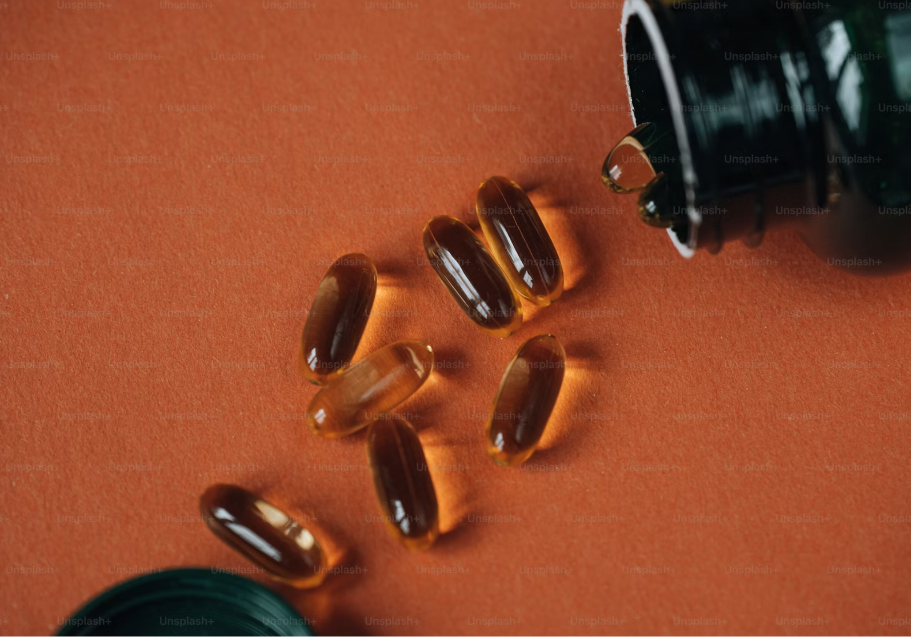
Capsules and tablets are the most common supplement form for good reason. They are portable, shelf-stable, and easy to dose. You know exactly how much you are getting with each serving, and they travel well in a pill organizer or bag.
Capsules often use gelatin or vegetable-based shells that protect ingredients from stomach acid, releasing them in the intestines where absorption is more efficient. Probiotic absorption claim. This is especially useful for probiotic supplements and enzymes that would otherwise be destroyed by gastric acid. Tablets can be coated for the same purpose.
The downside is that some people struggle to swallow pills. Large tablets can be intimidating, and capsules may feel uncomfortable for those with throat sensitivity. Also, capsules and tablets can contain fillers and binders to hold everything together, though reputable brands keep these to a minimum.
Powders
Powders offer flexibility that capsules and tablets cannot match. You can mix them into smoothies, shakes, juice, or water, and you can adjust the dose to your exact needs. This makes powders ideal for protein supplements, pre-workout formulas, and electrolyte drinks where serving sizes vary based on activity level and body weight.
Powders also absorb faster in many cases because they do not need to dissolve in the stomach first. The nutrients are already in a dispersed form, ready for uptake. This can be an advantage for post-workout recovery or when you need rapid nutrient delivery.
The trade-off is convenience. Powders require preparation, a shaker or blender, and cleanup. They are not as travel-friendly, and some have strong flavors or textures that not everyone enjoys. Storage also matters. Powders can clump if exposed to moisture, so airtight containers are essential.
Gummies
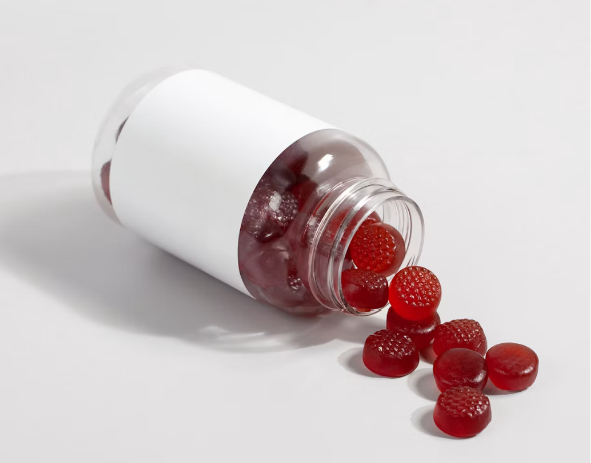
Gummies have surged in popularity because they are easy to take and taste good. They appeal to children, adults who dislike pills, and anyone who wants a more pleasant supplement experience. Some people find that the enjoyable format helps them stay consistent with their routine.
However, gummies come with notable drawbacks. They often contain added sugars, sugar alcohols, or artificial sweeteners to make them palatable. The manufacturing process also exposes active ingredients to heat, which can degrade potency. Recent testing found some gummy supplements contained significantly more or less of the labeled ingredient than stated. Recent supplement testing. Gummies may also lack certain nutrients entirely because not all vitamins and minerals can be incorporated into a gummy base.
Which Form Absorbs Best?
Bioavailability, or how well your body absorbs and uses a nutrient, depends more on the ingredient form than the delivery format. A well-made capsule with a bioavailable nutrient form can outperform a poorly formulated powder or gummy. That said, powders generally have a slight edge in absorption speed because they bypass the dissolution step. Liquids and liposomal forms can also enhance absorption for fat-soluble nutrients like vitamins A, D, E, and K.
For most people, the best form is the one you will take consistently. A high-quality capsule taken daily delivers more benefit than a premium powder that sits in your pantry because you never feel like mixing it.
How to Choose
Choose capsules or tablets if: You want convenience, precise dosing, and portability. You travel frequently or need a no-fuss routine. You take probiotics, enzymes, or time-release formulas that benefit from protective coatings.
Choose powders if: You want flexibility in dosing, faster absorption, or the ability to combine supplements into a single drink. You use protein, pre-workout, or electrolyte products where customization matters. You do not mind the extra preparation step.
Choose gummies if: You or your family members strongly prefer them over pills, and you accept the trade-offs in sugar content and potential potency variation. You use them for basic multivitamins or single nutrients where exact dosing is less critical.
Final Thoughts
No single supplement form is universally superior. Capsules offer precision and convenience. Powders offer flexibility and speed. Gummies offer palatability. The best choice aligns with your daily habits, health goals, and willingness to trade convenience for customization.
Browse our curated selection of supplements in capsule, powder, and gummy formats with transparent labeling, official website links, and buy links to find the form that fits your lifestyle.
FAQs
Gummy vitamins are generally less effective than capsules. The manufacturing process uses heat that can degrade certain nutrients, and gummies often contain lower doses of active ingredients. For critical nutrients like vitamin D, magnesium, or zinc, capsules deliver more reliable potency.
Powders absorb fastest because they skip the dissolution step — your body can begin uptake almost immediately after mixing. Capsules come second, dissolving in the stomach within 20–30 minutes. Gummies are slowest due to their dense base material.
Often yes. Independent testing has found many gummy supplements contain significantly more or less of the labeled ingredient than stated. Some nutrients also cannot be incorporated into a gummy base at all, meaning certain formulas are incomplete compared to their capsule equivalents.
Powder is better for protein. Protein requires large serving sizes (20–30g+) that would need dozens of capsules to match. Powders let you adjust the dose based on your body weight and training goals, making them far more practical and cost-effective.
